

How To Remove Paint From A Wood Deck?
Decking is an essential part of outdoor living spaces. However, the paint on wooden decks may crack, peel, or fade over time, and because of the weather. A very important part of upkeep is getting rid of old paint. A mix of chemical paint removers and mechanical ways can be used to get rid of paint on wooden decking.
Apply a wood-specific paint stripper, then scrape off the old paint. Follow with sanding and rinsing. Once dry, apply a new coating. This article will guide you through safely removing paint from wooden decks. Note that not all deck types require paint maintenance. Low-maintenance materials like modern composite deck boards do not need painting.
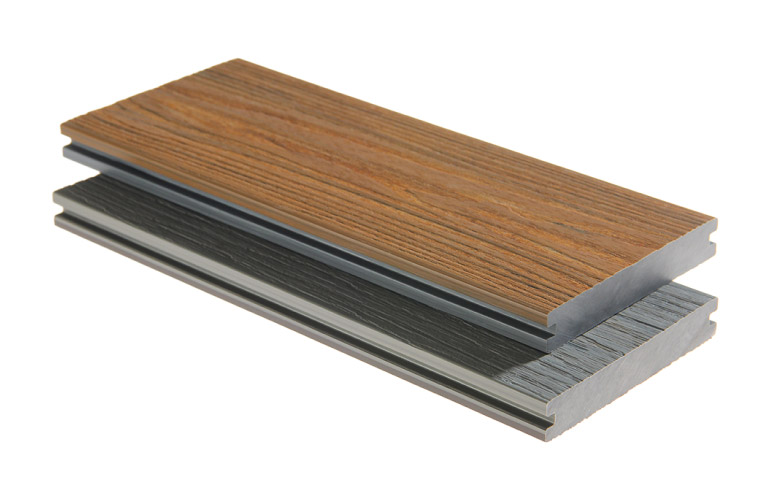
More Durable & Waterproof Composite Decking CPD-05
EVODEK unique two-tone art color technology gives you a stunning natural wood look so you can enjoy the great outdoors.
Table of Contents
Preparations Before Paint Removal
All deck maintenance requires thorough preparation and safety precautions. Before beginning, complete the following steps:
Inspect Deck Condition
Carefully examine each deck board for rot, cracks, or structural issues. Check fasteners for looseness, rust, or protrusion. Address any severe problems through repairs first. Check the amount of paint peeling to see if it’s just a few spots or a problem that’s happening all over.
Environmental Protection
Remove all furniture, potted plants, decorations, and other obstructions from the deck. Cover nearby plants, shrubs, and flowers with waterproof tarps to prevent chemical damage. You could also cover the walls, trim, and windows of your house to keep chemicals from getting on them. Make sure there is good air flow in the work area so that chemical vapors don’t build up in small places.
Prepare Safety Equipment
Chemical paint strippers and sanding processes generate harmful substances and dust. Therefore, personal protective equipment is essential:
- Respiratory Protection: Use an organic vapor respirator or an N95 dust mask. Chemical strippers typically release irritating vapors, and standard dust masks offer insufficient protection.
- Eye Protection: To keep chemical splashes and dust from getting into your eyes, wear safety masks with tight seals.
- Skin Protection: Wear chemical-resistant rubber gloves. Wear long-sleeved shirts and long pants. Wear a hat to protect hair from chemical or dust contamination.
- Cleaning Tools: Prepare an eyewash station and clean water for emergency rinsing in case of accidental chemical contact with eyes or skin.
Prepare Tools and Materials
Prepare sufficient tools and materials based on the deck area and paint condition. Typically, the following tools are required:
- Paint stripper specifically formulated for wood
- Paintbrushes, rollers, and trays (for gel-based strippers)
- Garden sprayer or spray gun (for liquid strippers only)
- Plastic containers
- Scrapers
- Pressure washer or garden hose
- Stiff nylon brushes
- Sander, angle grinder
- Handheld scrapers and paint scrapers
- Heat gun
- Sandpaper in various grits
- Wood cleaner

Using Chemical Paint Strippers
Chemical paint strippers are effective tools for removing deck paint. They get through the layers of paint and weaken the bond between the paint and wood, which makes it easier to remove.
Types and Selection of Paint Strippers
Proper selection and use of paint strippers can significantly reduce labor. Paint strippers are categorized by form into gel-based and liquid-based types.
Gel-based strippers feature high viscosity and minimal runoff. They maintain moisture for extended periods, making them suitable for large-area applications. However, these strippers typically require brush or roller application. Liquid strippers offer excellent flow properties, ideal for spray application. They dry relatively quickly, making them suitable for small areas or segmented work.
Proper Use of Paint Stripper
Correct application directly impacts stripping effectiveness and safety. Begin by testing on an inconspicuous small area of the deck. Apply the paint stripper and observe the reaction time and results. Test the ease of scraping and the wood’s reaction. During application, divide the deck into manageable sections. Treat one area at a time to prevent the paint stripper from drying and becoming ineffective.
For gel-based paint strippers, apply evenly using a brush or roller. For liquid paint strippers, spray evenly using a sprayer. Ensure complete coverage of the painted surface without leaving any gaps. Additionally, apply extra stripper along edges and seams, where paint is typically thicker.
The paint stripper must remain wet to remain active. In dry, hot weather, it may be necessary to cover the treated area with plastic sheets. Overcast clouds with a moderate level of humidity are ideal for the environment. Wait the amount of time suggested in the product directions for the stripper to fully react before moving on to the next step.
Precautions for Using Paint Strippers
Safe use of chemical paint strippers is paramount. To ensure safety, observe the following points:
- Always work in a well-ventilated area.
- Wear full protective gear, especially respirators and gloves.
- Avoid direct skin contact with the paint stripper.
- If the paint stripper touches your skin, rinse immediately with copious amounts of water.
- Collect dripping paint stripper and paint residue with waterproof cloths; do not pour waste liquid into drains.

Mechanical Paint Removal
It’s still necessary to remove the paint mechanically, even after using chemical paint strippers, especially for tough spots.
Direct Scraping
Scraping is the most direct method for removing softened paint. Begin scraping treated areas with a scraper or putty knife. Scrape in the direction of the wood grain to prevent damage. Maintain a 30-45 degree angle between the scraper and deck surface. Apply steady, moderate pressure to avoid cutting into the wood. For stubborn areas, reapply a small amount of stripper, wait a few minutes, then scrape again.
Sanding
Sanding is the most important step for getting rid of leftover paint, and it works especially well when there are still traces after treatment. Using a sander and sandpaper efficiently removes paint from wooden decks. Key sanding considerations:
- Always sand in the direction of the wood grain to avoid cross-hatch marks.
- Maintain steady, even movement of the sander to prevent indentations from prolonged pressure in one spot.
- Apply moderate pressure, allowing the machine and sandpaper to do the work.
- Regularly inspect the sandpaper condition and replace dulled sheets promptly.
- Use a dust collection system to minimize dust, or clean the work area frequently.
- Sand in stages, progressively increasing the sandpaper grit size.
Cleaning
High-pressure washing can serve as a supplementary method after chemical paint removal, but use it with caution. Keep pressure below 1000 PSI during cleaning. Use a fan nozzle to disperse water pressure. Alternatively, scrub manually with a garden hose and a stiff-bristle brush. Here are some high-pressure washing tips:
- Wait until the paint remover has fully taken effect and the paint is visibly softened before washing.
- Start at low pressure and gradually increase to the appropriate setting.
- Move the spray gun in the direction of the wood grain. Maintain a consistent distance and speed.
- Avoid prolonged spraying on any single area.
Once you’ve taken care of removing the paint and getting the area ready, you can start staining and sealing again.

Low-Maintenance Alternative: Composite Decking
Maintaining wooden decks can be a chore. For homeowners seeking reduced upkeep, EVODEK composite decking offers an appealing alternative. Composite decking is made from wood fibers blended with plastic polymers. This material resists rot, insects, and mold. Additionally, its color is consistent throughout the board. You won’t need to paint, stain, or seal it.
Furthermore, composite decking boasts a lifespan of 25-30 years. This translates to significant annual savings in both time and money spent on upkeep. Consequently, it has become the preferred decking material for a growing number of homeowners.
Learn More: What Kind of Maintenance Does a Composite Deck Need?
Conclusion
Removing paint from wooden decks extends their lifespan and restores their appearance. By following systematic construction and cleaning steps, you can easily complete this project. Alternatively, you can replace it with maintenance-free composite decking. This allows you more time to enjoy your deck rather than maintain it. For further information, feel free to contact us. EVODEK will provide you with attentive service.
FAQ
Can I Apply New Paint Directly Without Completely Removing All Old Paint?
In most cases, removing loose paint and sanding the entire surface is the safest approach. If the old paint is firmly adhered without peeling or cracking, it is theoretically possible to paint over it. However, even if not fully removed, the surface must be thoroughly cleaned and sanded smooth.
How Long Does a Deck Need to Dry After Paint Removal Before Repainting?
Drying time depends on multiple factors. Under good weather conditions, it typically requires 24-48 hours or more. You can test this by pouring a small amount of water onto the deck surface. If the water beads and absorbs quickly, the surface is sufficiently dry. If the water beads remain or absorb slowly, more drying time is needed.
How Do I Determine if a Wooden Deck Needs Replacement or Surface Treatment?
A thorough inspection is required to assess whether the wood is repairable. Minor damage like the following is generally repairable:
- Slight surface discoloration or mildew spots.
- Shallow surface cracks.
- Localized soft spots where the wood remains structurally sound.
- Surface paint peeling with the wood itself intact.
Poke the wood with a screwdriver or awl. If it inserts easily, the wood may be severely rotten. Additionally, delamination or splintering indicates significant damage. If unsure whether replacement is needed, consult a professional deck contractor.
Related Post


